
Cost of Tree Canopy Thinning in Bloomington, IN
Tree canopy thinning in Bloomington, IN, involves selectively reducing the size and density of tree branches to improve air circulation, light penetration, and overall tree health. The costs for such projects can vary depending on factors such as the extent of the canopy to be thinned, the types of materials used, the amount of labor required, and specific site conditions. Typically, pricing is influenced by the scope of work and the complexity of the trees involved.
Final pricing for tree canopy thinning projects will differ based on the detailed scope, chosen materials, labor costs, and site-specific considerations. It is recommended to obtain multiple estimates to compare options and understand the range of potential costs. This approach helps in making informed decisions tailored to the particular needs of each property in Bloomington, IN.
Typical Price Range
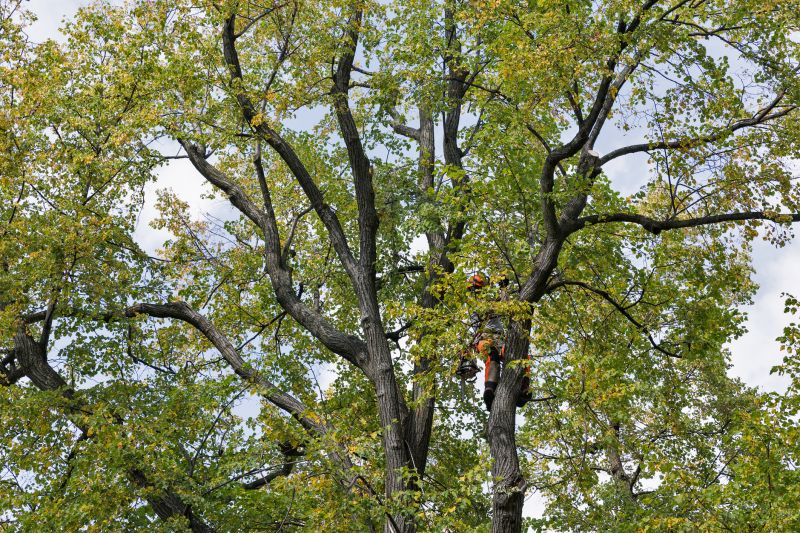
Tree canopy thinning involves selectively reducing the density of branches and foliage to improve tree health and structure.
$1,200 - $2,800 (smaller scope)
Costs vary based on tree size, density, and site accessibility.
$2,500 - $6,500 (larger scope)
| Project Type | Typical Range |
|---|---|
| Selective thinning of small trees | $1,200 - $2,800 |
| Moderate canopy reduction | $2,000 - $4,500 |
| Extensive thinning for large trees | $4,000 - $6,500 |
| Emergency or storm-related thinning | $1,500 - $3,500 |
| Maintenance pruning after thinning | $800 - $2,000 |
| Consultation and assessment | $300 - $800 |
Factors Affecting Cost
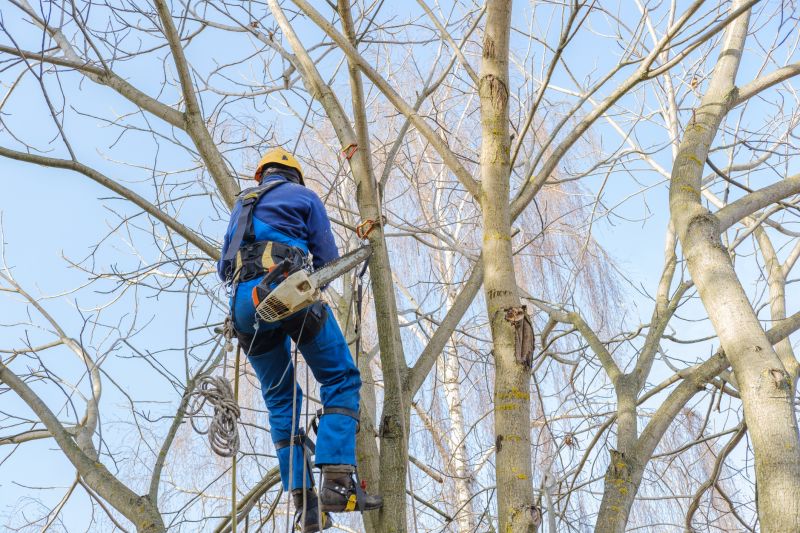
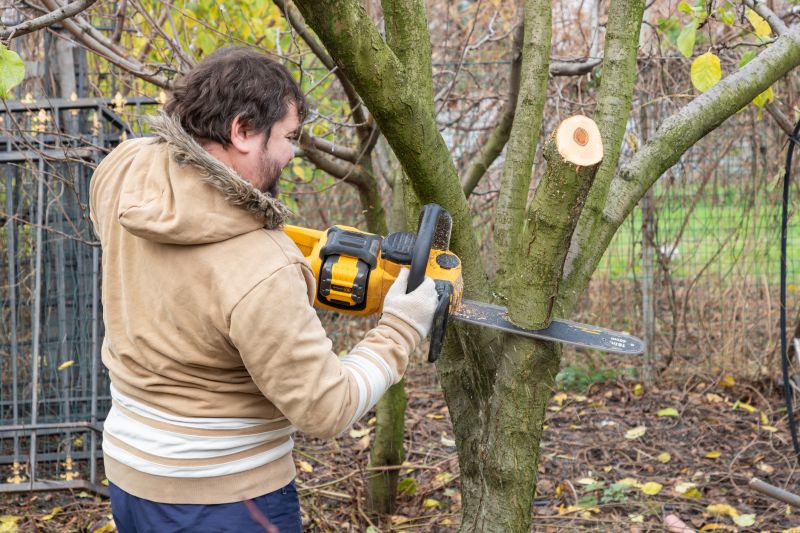
Tree canopy thinning in Bloomington, IN, involves selectively reducing the density of branches and foliage in existing trees to improve health, safety, and aesthetics. Proper planning and execution can help maintain the tree’s overall vitality while addressing specific concerns such as storm damage risk or urban space management. Understanding the typical scope and considerations can assist in making informed decisions for this type of project.
- Materials involved typically include pruning tools, safety gear, and possibly climbing equipment for access.
- The size and scope of thinning projects can vary from light crown reduction to extensive canopy reshaping, depending on the tree and objectives.
- Labor complexity depends on tree height, density, and accessibility, with some projects requiring specialized equipment or techniques.
- Permitting requirements may be necessary for certain trees, especially if located in protected zones or historic districts within Bloomington.
- Additional services might include debris removal, health assessments, or follow-up pruning to support ongoing tree health.
Project Size Details
| Scope/Size | Typical Range |
|---|---|
| Small trees (less than 20 feet tall) | 10-20% canopy removal |
| Medium trees (20-40 feet tall) | 15-25% canopy removal |
| Large trees (over 40 feet tall) | 20-30% canopy removal |
| Selective thinning (individual branches) | Depends on tree and goal |
| Complete canopy removal | Not recommended without professional assessment |
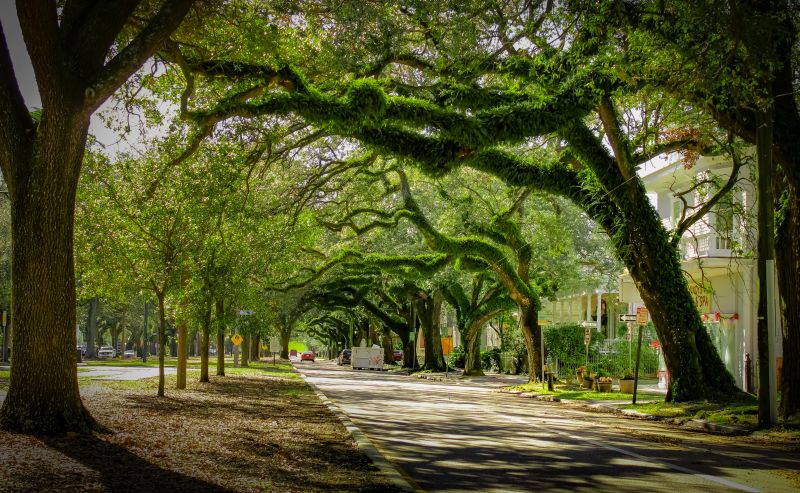
In Bloomington, IN, tree canopy thinning should be planned considering local tree species and urban conditions to maintain tree health and street aesthetics.